The Power of Speaking Up: Using Your Voice to Raise Awareness
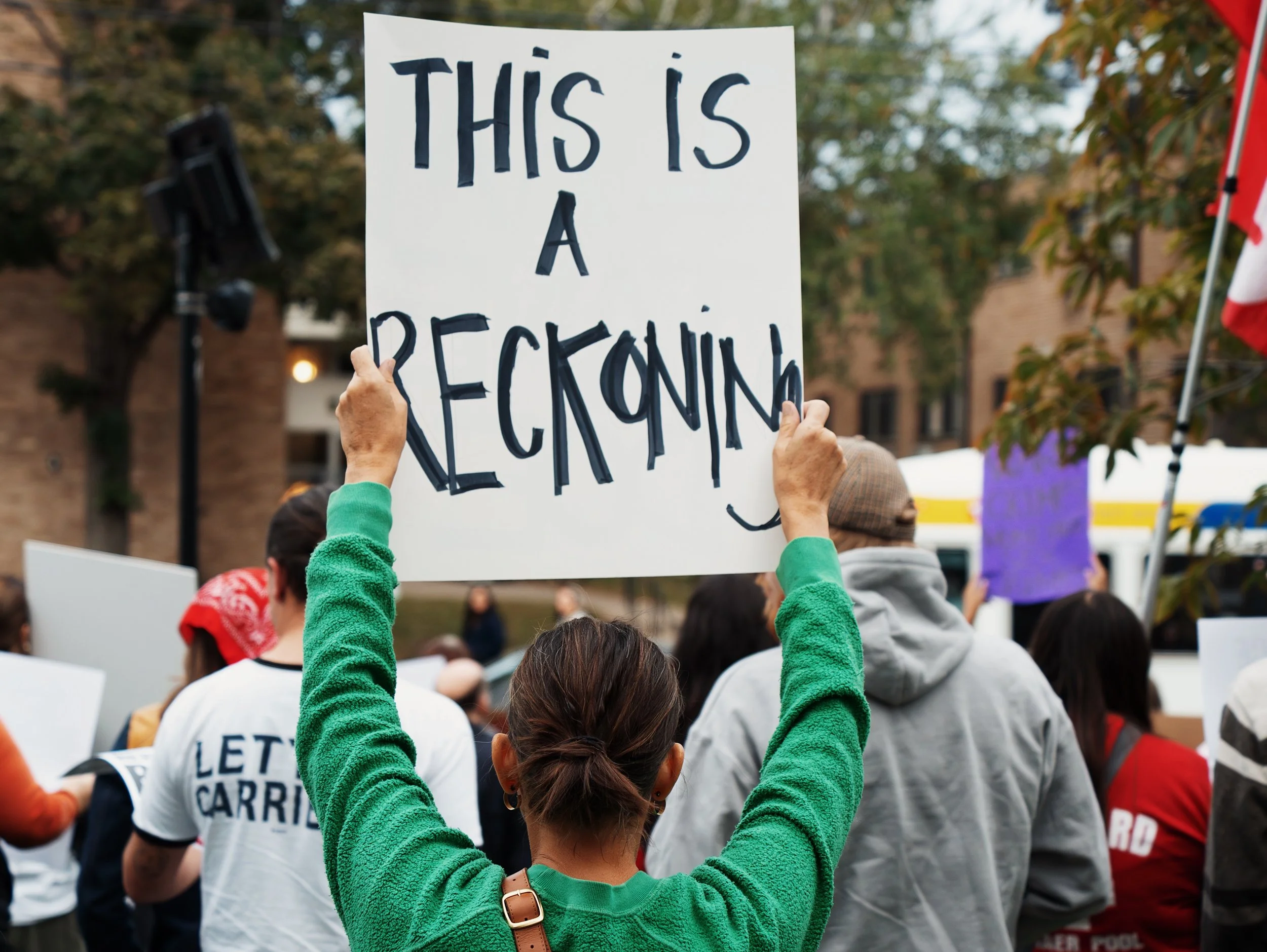
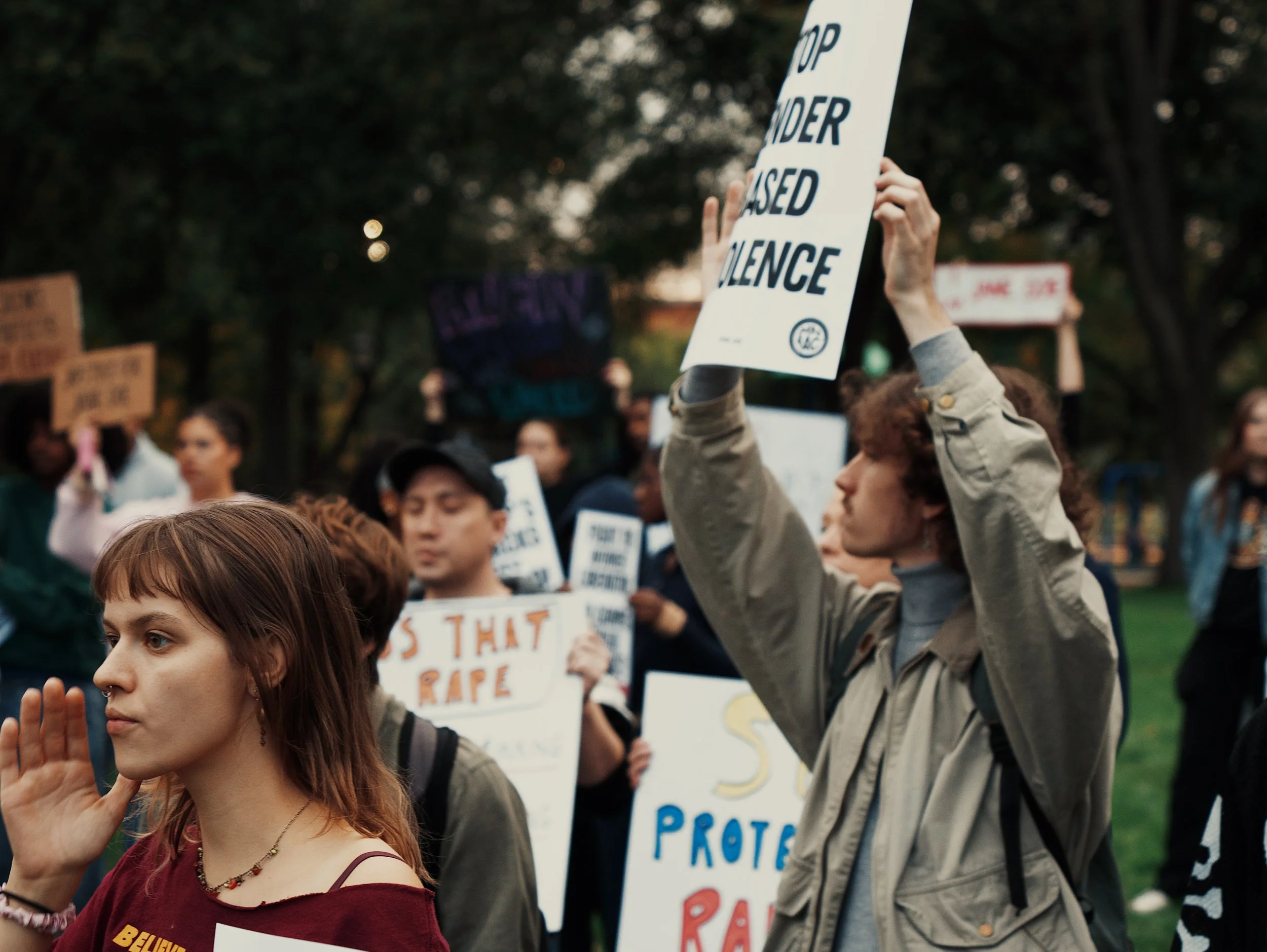
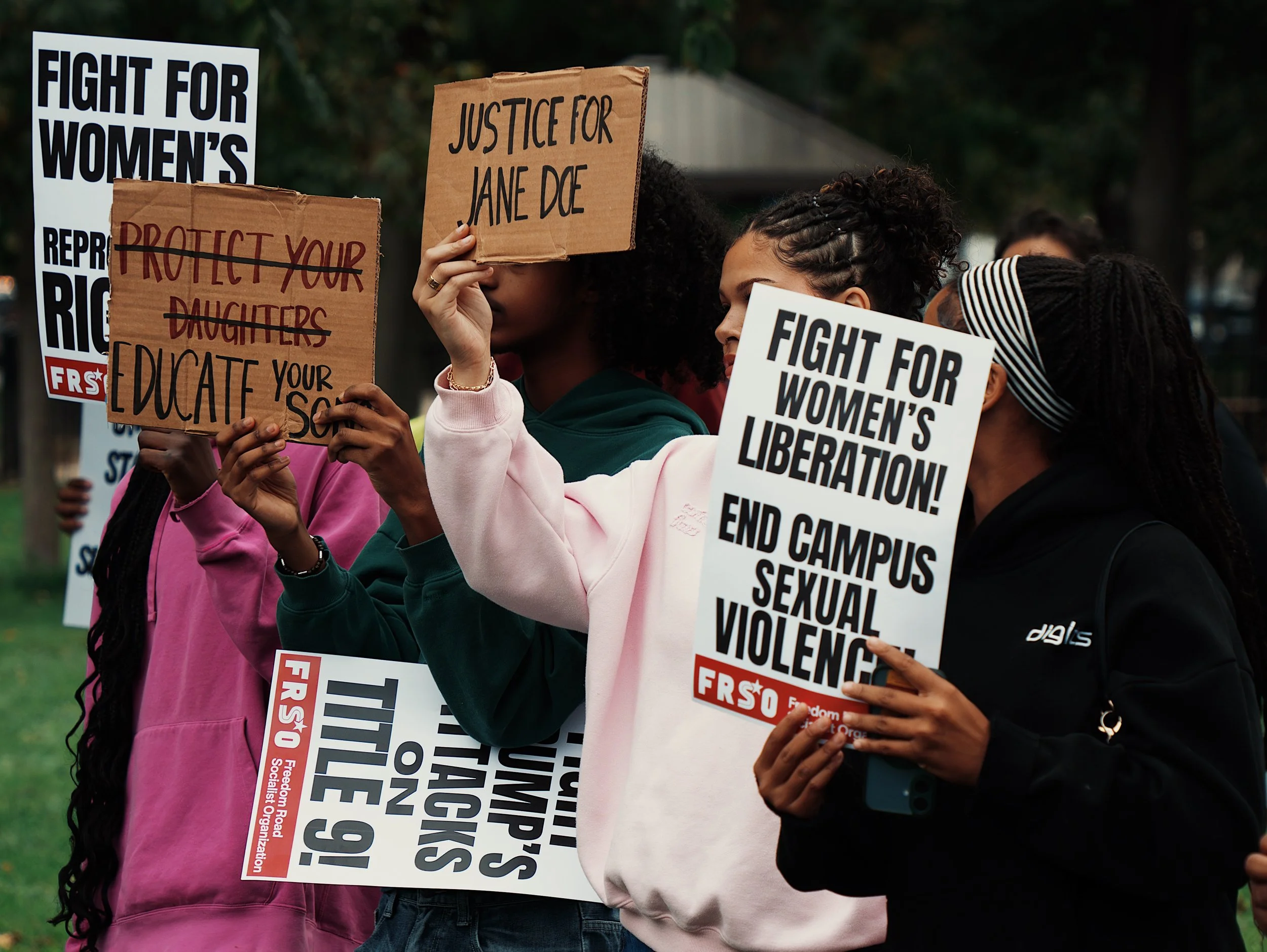
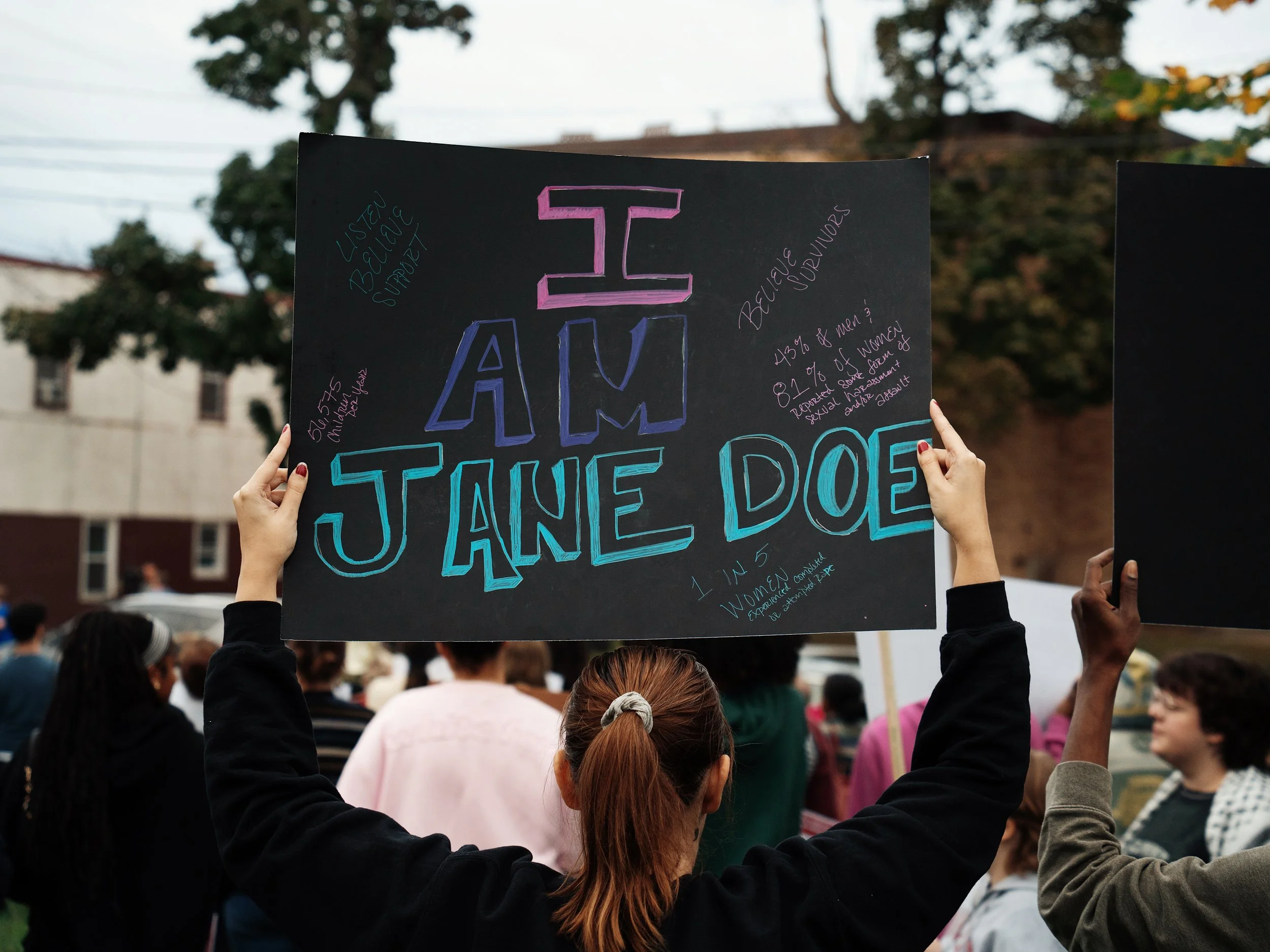
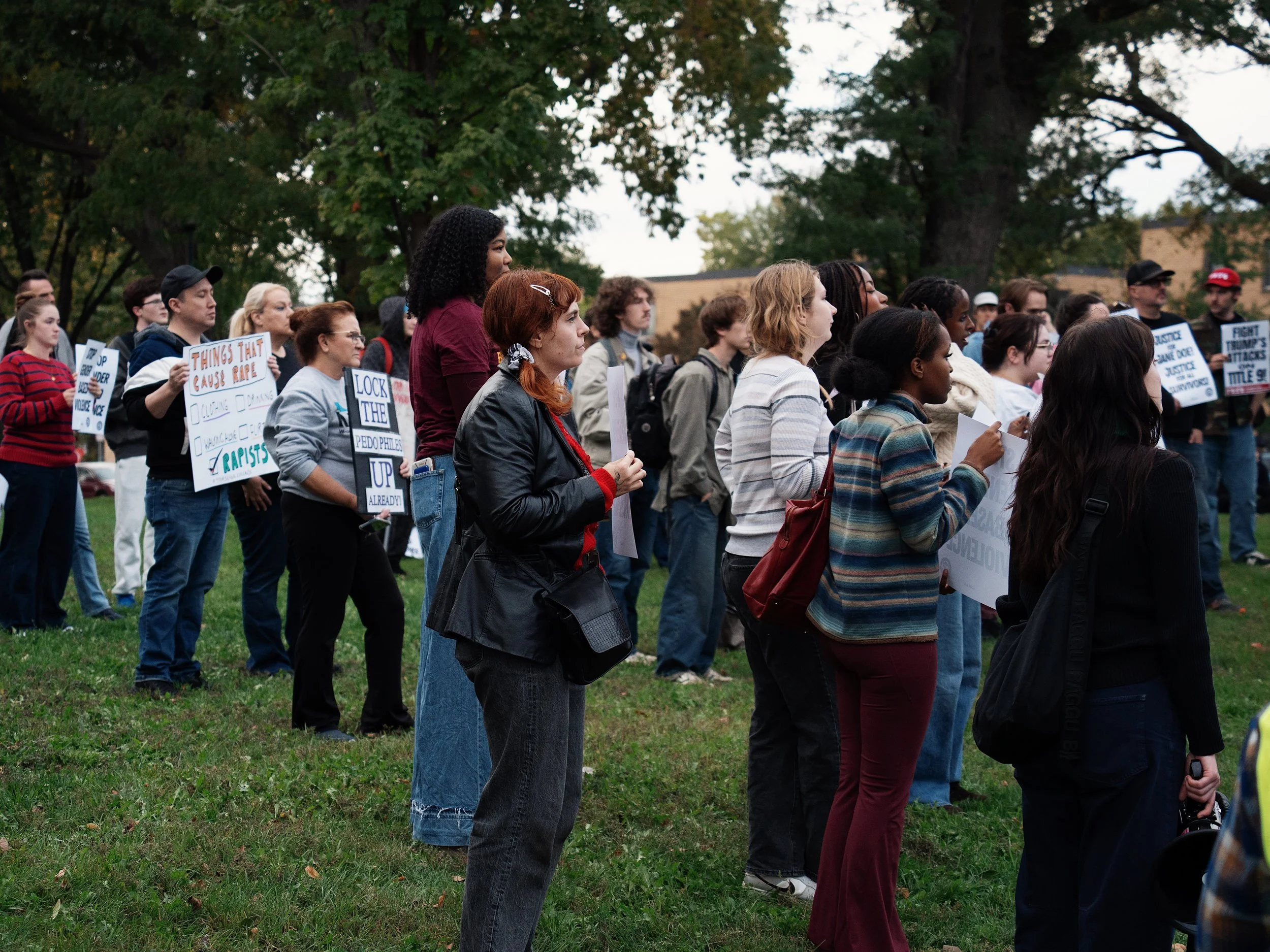
On October 8, approximately 200 people gathered near Van Cleve Park in Minneapolis to protest sexual violence and call for accountability in response to the Cornell University case. Demonstrators took to the streets to demand justice for Jane Doe and show solidarity with survivors of sexual assault.
During the rally, participants reiterated the role institutions and universities should fulfill when handling sexual misconduct allegations, protecting survivors, and implementing stronger measures to prevent future incidents.
The protest in Minneapolis was part of a broader wave of gatherings held across the United States, with demonstrations spanning more than 40 states and over 50 college campuses. By coming together in public spaces, demonstrators were able to collectively use their voice to challenge the silence that often surrounds sexual violence and encourage communities to take a more active role in addressing this widespread issue.
Although a single rally or legal case cannot resolve the broader issue of sexual violence, these demonstrations highlight the importance of public engagement and collective action.
As the public continues to use its voice to stand up for those who have been silenced, an important question emerges: how will communities continue to unite when institutions and systems fail to properly address injustice and violence? At a time when advocacy, community engagement, and collective awareness are taking center stage in the world we live in, speaking up becomes an essential tool for igniting change. When individuals come together as one in situations of injustice, a shift in reality occurs that supports a culture where accountability is the standard and silence is no longer the norm. Ultimately, systemic change begins when people recognize the true power of speaking up and using their voice to advocate for a better future for the world we live in.
“An estimated 443,634 rapes and sexual assaults are perpetrated every year in the U.S. against people age 12 and older. This is the total number of victimizations—not individual victims. It is not uncommon for someone to experience sexual violence more than once.”
