From Trade to Displacement: The Fur Trade’s Impact on Indigenous Nations Along the Mississippi River
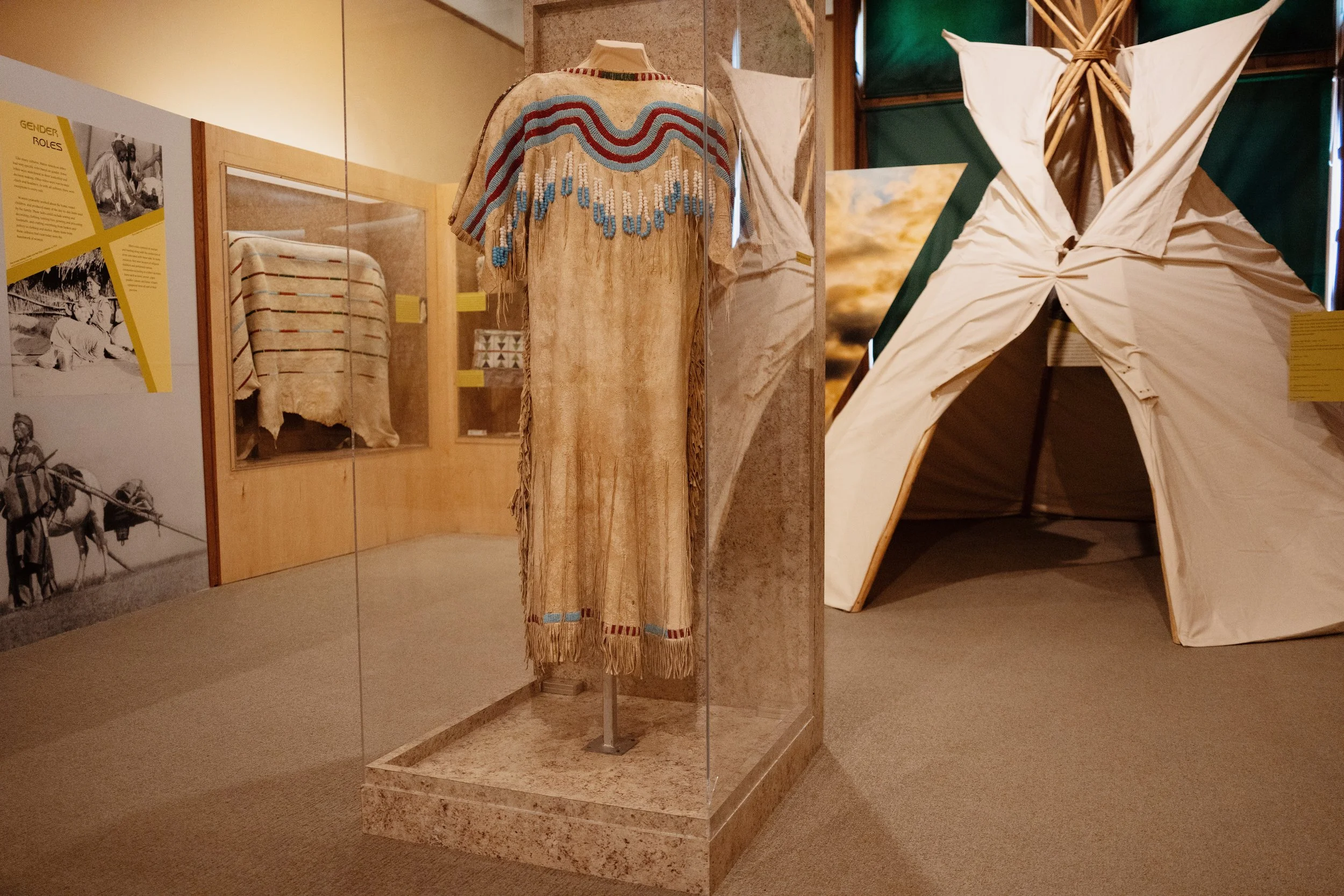
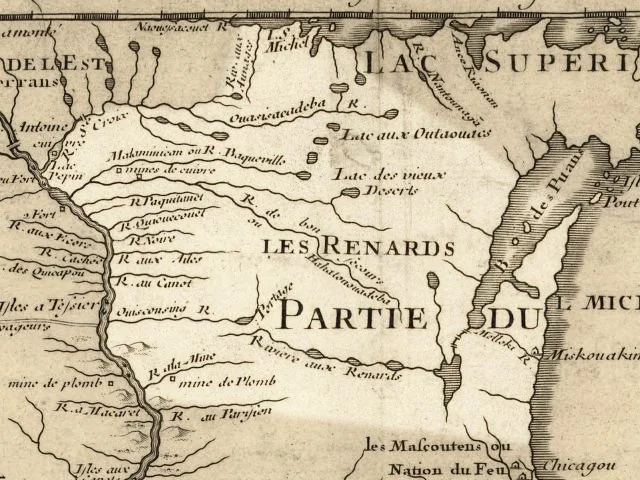
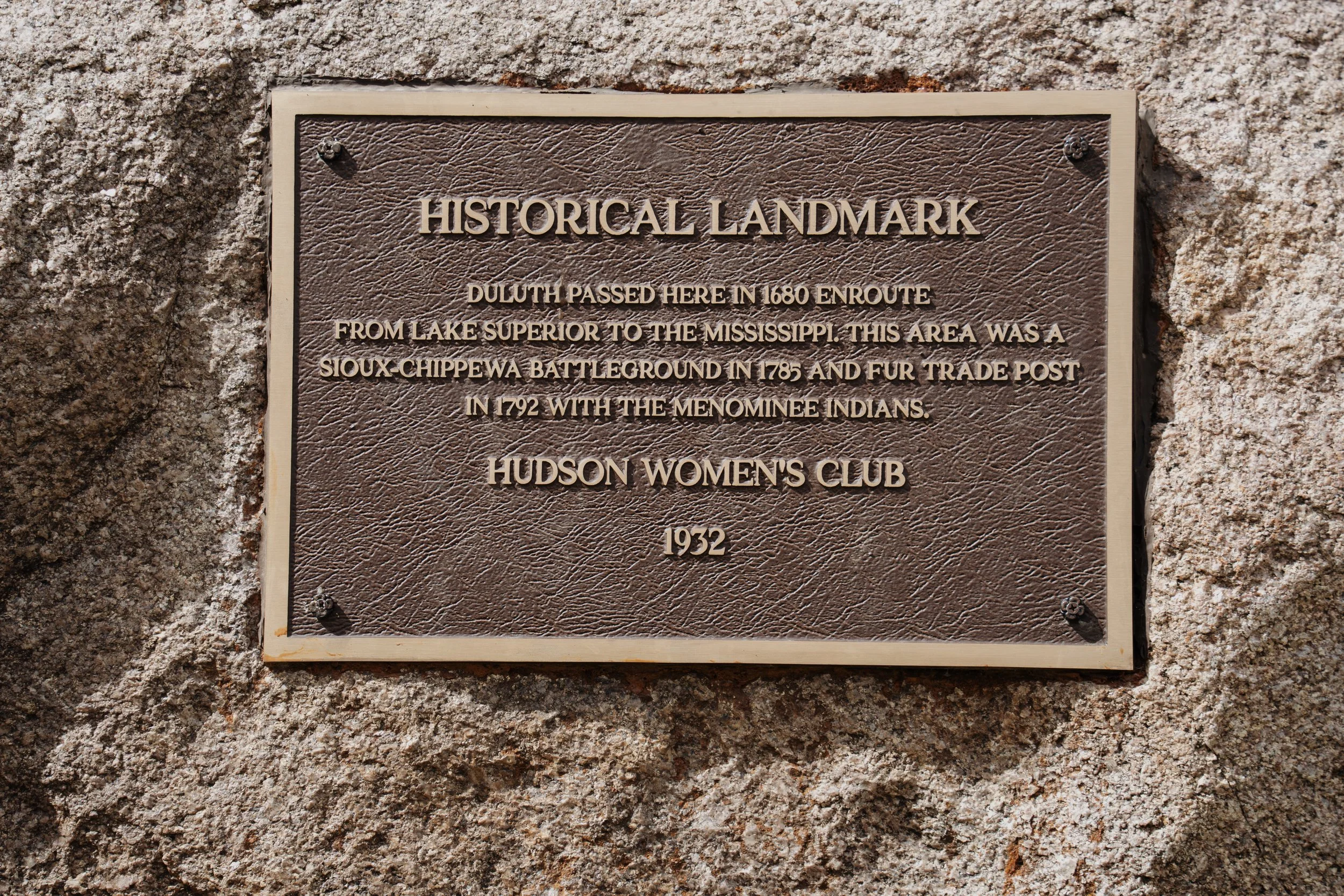

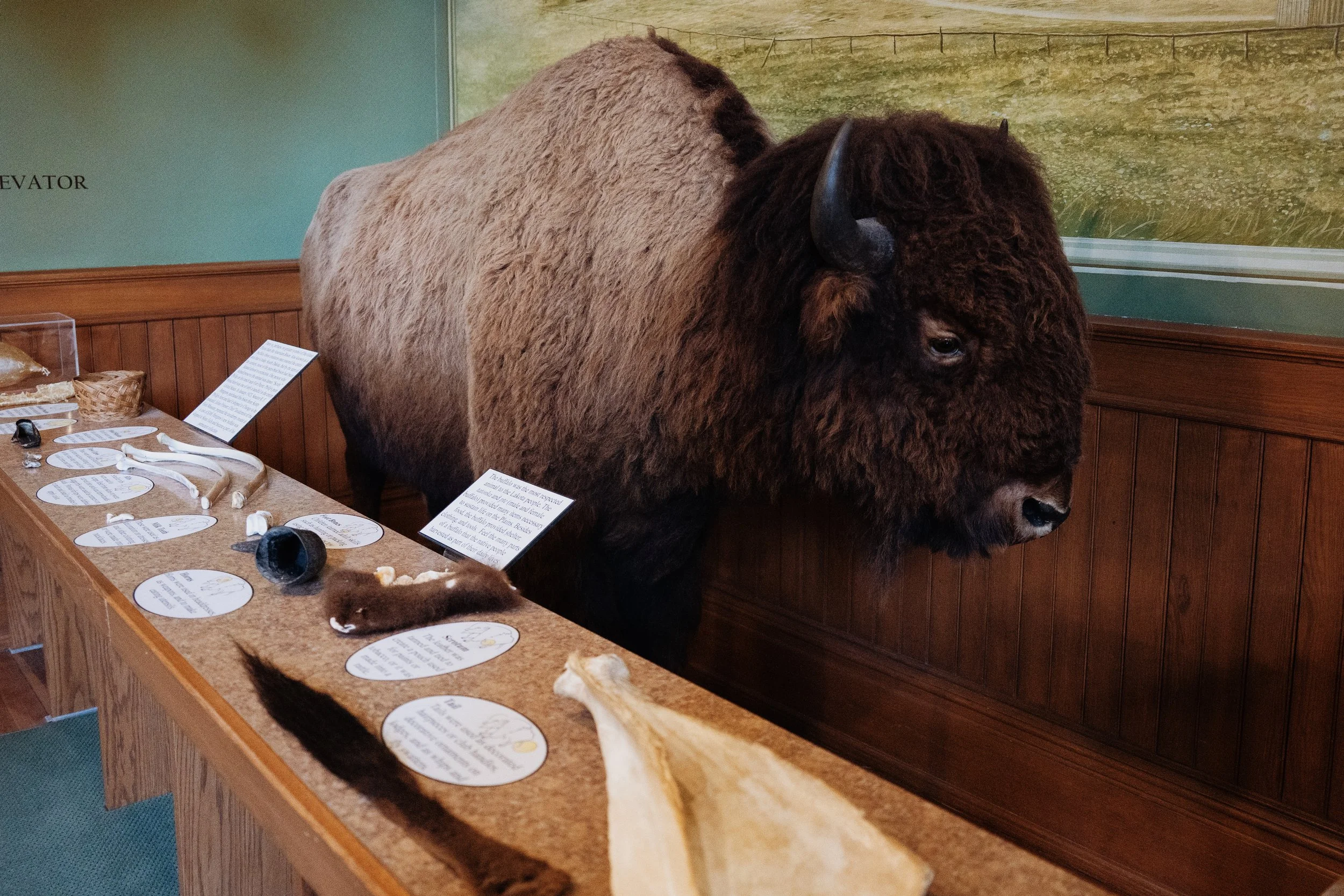
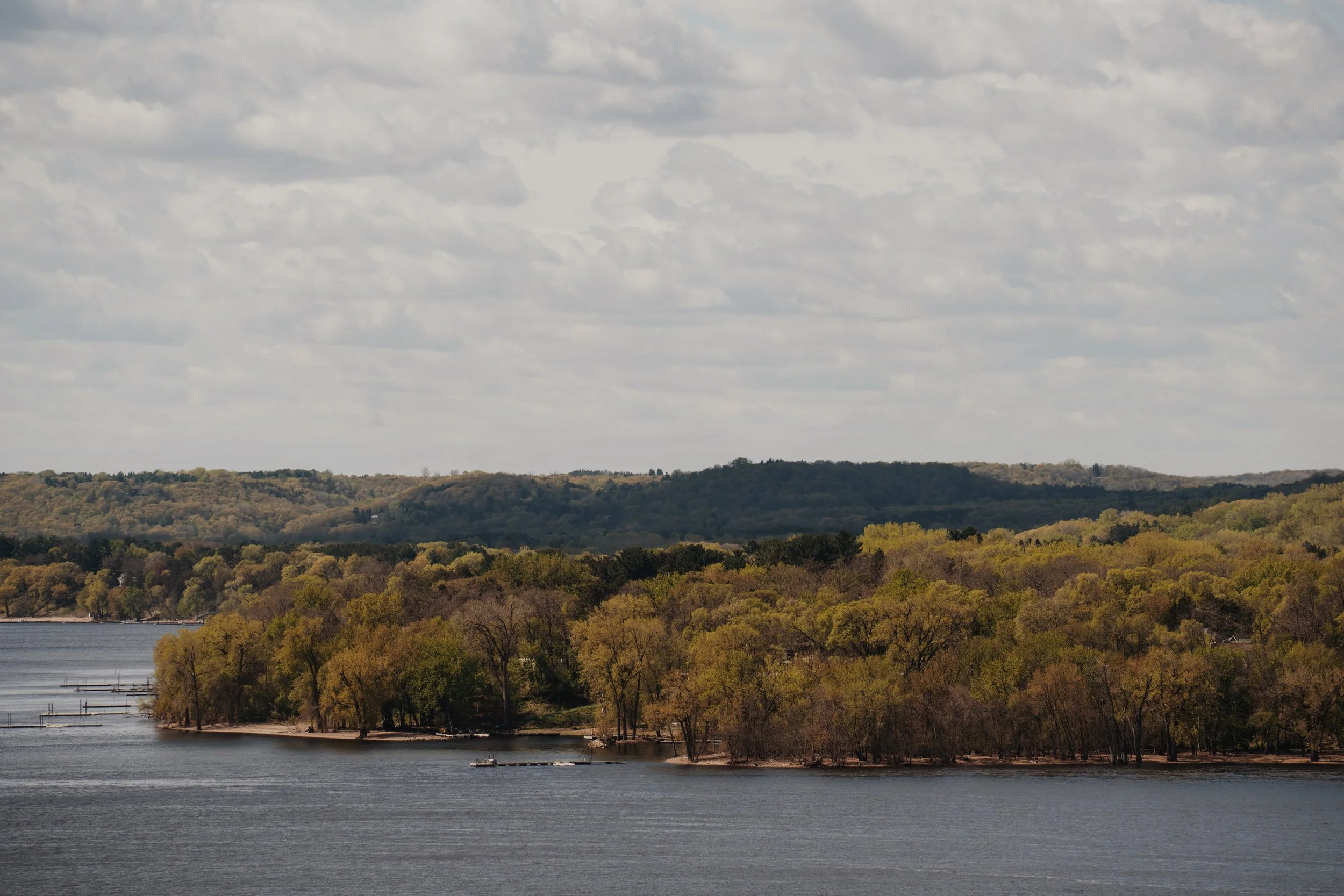
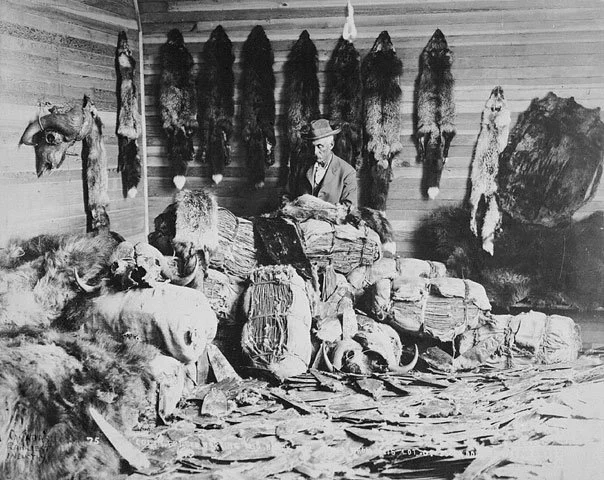
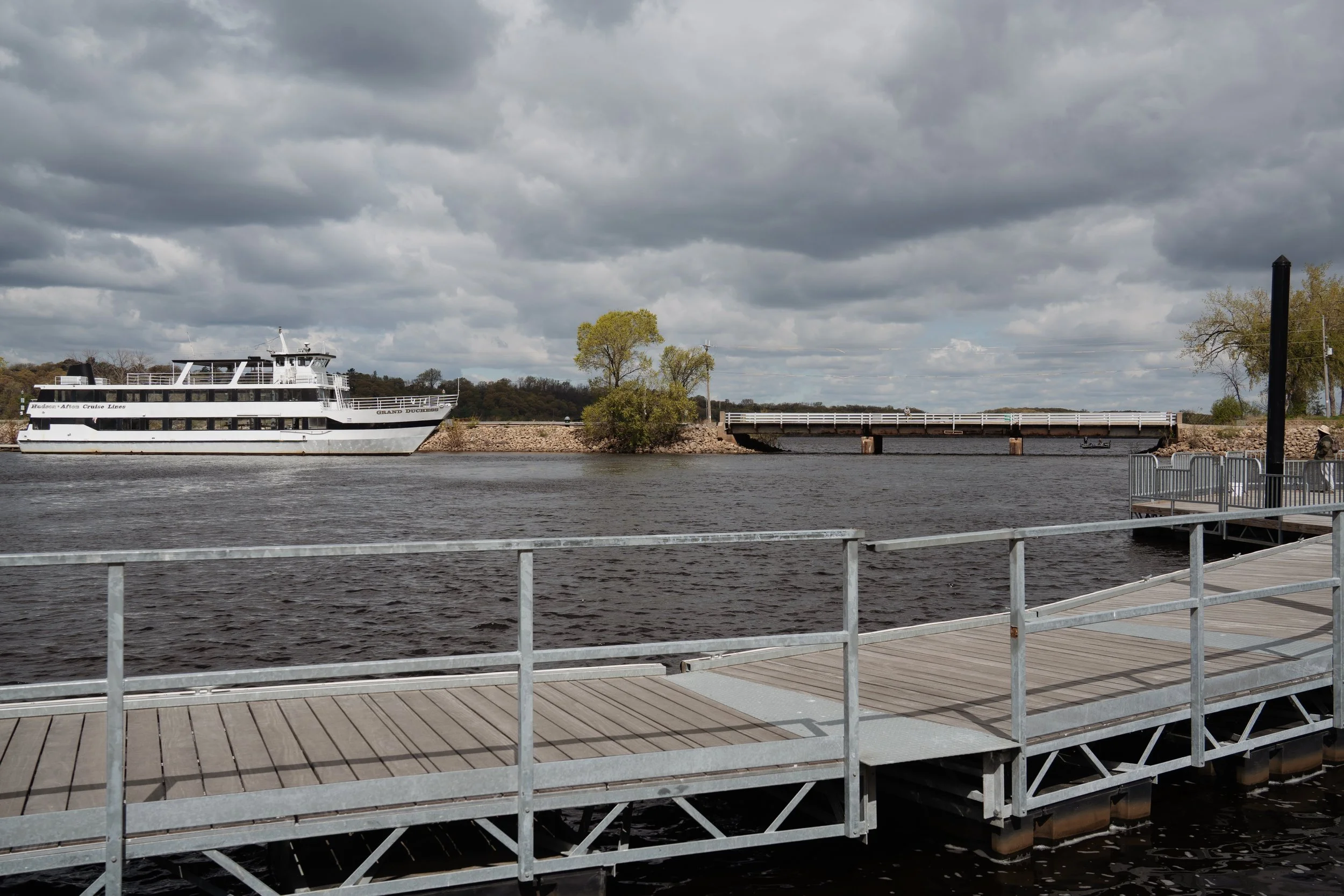

Nestled along the Mississippi River and neighboring areas, the region that is now Wisconsin was once a major hub in the North American fur trade. Rivers similar to the St. Croix and Missouri carried not only canoes filled with pelts, but exchange, exploration, and opportunity amongst European settlers and Indigenous peoples. The Upper Mississippi River region was home to several Indigenous nations prior to European settlement, including the Dakota, Ojibwe, and Ho-Chunk peoples. The arrival of French traders in the 17th and 18th centuries led to economic relationships that would later expand under British and American control. The fur trade became one of the most economically significant industries in early North American colonial expansion, but ultimately led to displacement and disbandment of the Indigenous tribes.
In the beginning of this economic boom in North America, the fur trade was done in unison between European traders and Indigenous tribes. Trade interactions included sharing food, and gifts before any formal negotiations took place. These exchanges reflected Indigenous customs and helped establish trust between groups and in many cases, traders adapted to Indigenous ways of life, forming relationships and even families within these communities.
In regions like Wisconsin and the Upper Mississippi, this competition led to conflict, as different nations fought to maintain or expand their control over land. At the same time, the increasing demand and interest of European goods created a form of economic dependency between the two communities. Items such as firearms, tools, and textiles became integrated into daily life, making it more difficult for communities to return to previous ways of living without trade (Minnesota Historical Society). This dependency also influenced political relationships as trade alliances began to shape power dynamics between tribes and European powers, putting Indigenous communities in vulnerable positions. As European influence grew, more conflict broke out over land agreements and treaties, which resulted in land cessions that favored settlers. Over time, these agreements contributed to the gradual loss of Indigenous territory and alliances between the Indigenous communities.
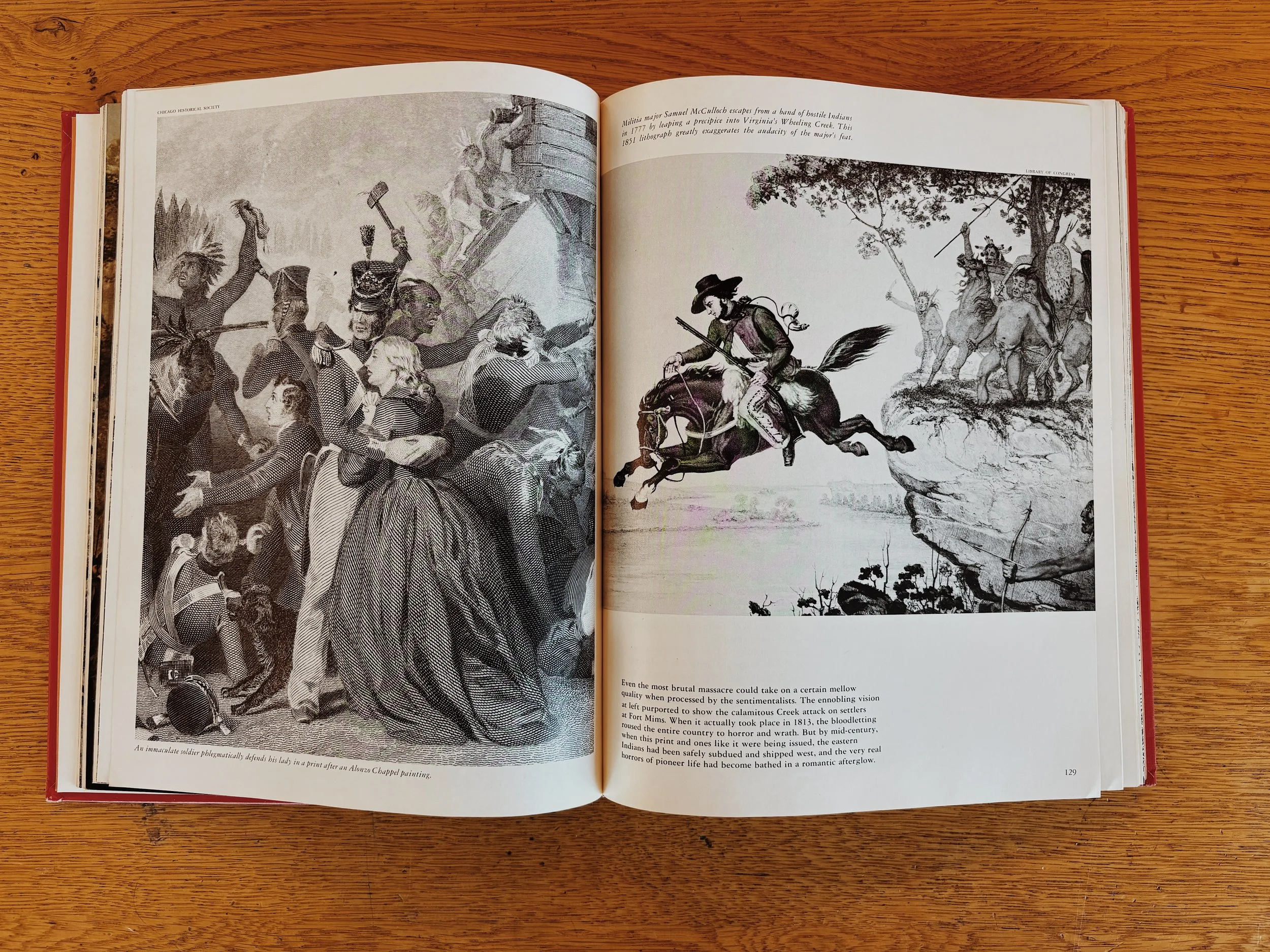
This selective memory can be seen in how historical sites and stories are presented. The fur trade is frequently described as a period of opportunity and cooperation, which is not entirely inaccurate, but it does not fully capture the consequences Native people endured in the process. By not fully acknowledging these impacts, the narrative remains incomplete to this day. Reframing this history requires a shift in focus that includes Indigenous voices and perspectives. It also requires recognizing that economic systems can truly have uneven and sometimes harmful effects to society and different communities. This is something that is still relevant today, especially when considering how history shapes current conversations about land, identity, and representation among diverse groups of individuals (The Fur Trade in Wisconsin).
Although the fur trade played a significant role in shaping the development of Wisconsin and the Upper Mississippi River region bringing the region economic growth, cultural exchange, and new opportunities, it also brought challenges that had lasting effects on Indigenous peoples. By creating dependency, competition, and leading to displacement, the fur trade became a key factor in the fragmentation of Indigenous communities. Understanding this history means looking beyond one-sided narratives and recognizing the bigger picture of the impact in any given situation. It means acknowledging both the benefits and the consequences, even when they complicate the story and recognizing the patterns within history and how the outcome is shared on a global scale.
In world with 8 billion individuals, 10,000 spiritual and religious practices and 7,000 linguistic dialects, the people need to come together in unison and embrace our differences. It is time to learn from our mistakes from the past and move forward together for a better future. No community should have to endure any form of displacement or fragmentation, whether it was in the past, the present moment or any future agendas.
works cited:
“The Fur Trade.” Minnesota Historical Society, www.mnhs.org/fortsnelling/learn/fur-trade#:~:text=The%20Dakota%20and%20Ojibwe%20had,fur%20trade%20and%20Native%20communities. Accessed 22 Mar. 2026.
“Fur Trade Era: 1650s to 1850s: Short History of Wisconsin.” Wisconsin Historical Society, 6 Feb. 2013, www.wisconsinhistory.org/Records/Article/CS3585.
